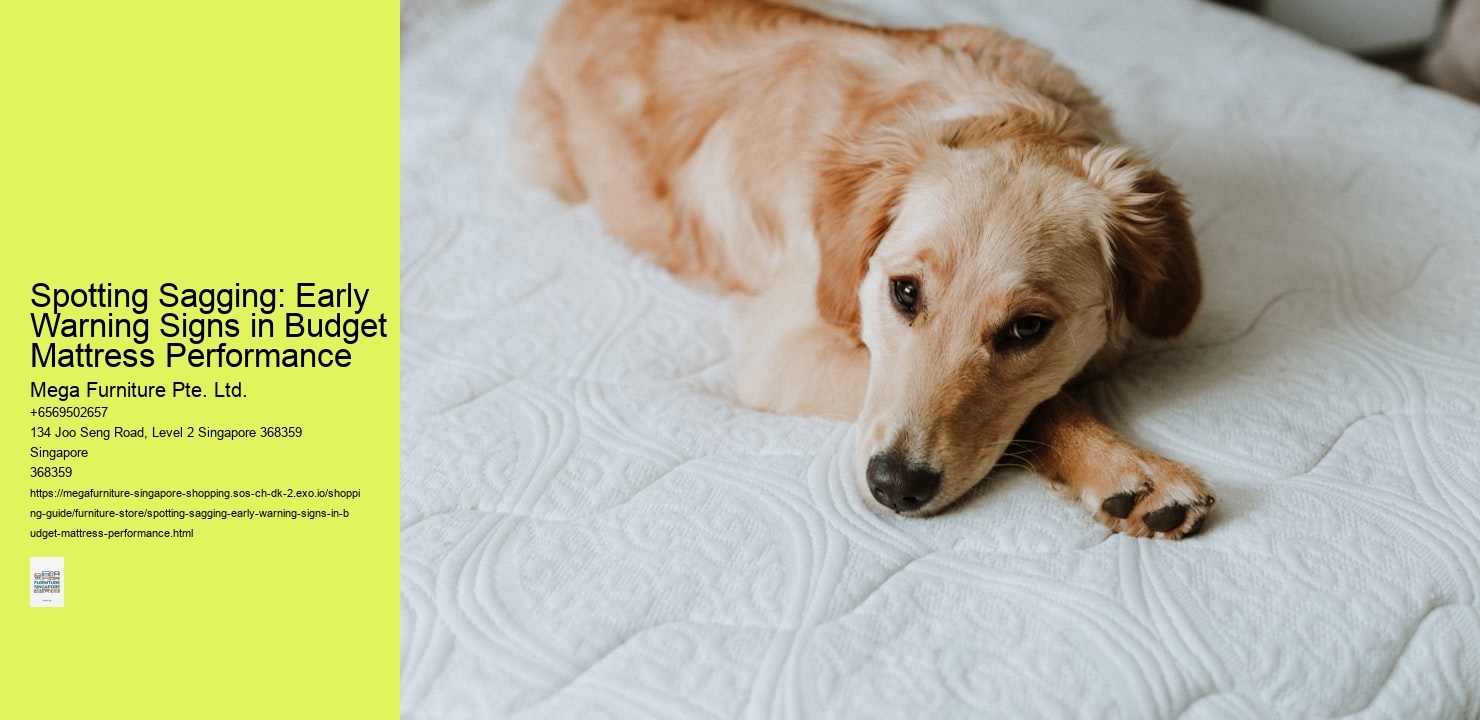
Lie flat on the showroom bed. Most buyers sit on the edge to test firmness. That is exactly where you miss the sag. Run your hand under the waistline while lying down. A gap means the foam lost its structural integrity before you even got home from the delivery, leaving your back unsupported and aching through the night because the support is gone. A deep sink tells you the budget import failed the compression test. They claim high density in the specs sheet. They don't claim the foam will crumble in year one.
This matters for a 4-room BTO master bedroom too because the space is tight. You got a 152 by 190cm Queen frame in there. It fits. There's no single best mattress — only the best one for how you sleep, in a climate that punishes the wrong choice. The honest filter for the best mattress in Singapore starts with our weather: high humidity and warm nights mean breathability and temperature regulation matter as much as support, so a mattress that feels perfect in a cold country can sleep sticky and hot here. The main constructions each suit a different sleeper — memory foam contours and relieves pressure for side sleepers but can trap heat unless it's cooling-gel or open-cell; pocket spring gives bounce and motion isolation for couples; hybrid combines coils for airflow with foam or latex on top, which is why it's the popular all-rounder for hot, shared beds. Firmness matters too: a medium-firm mattress is the common recommendation locally, supporting the spine without letting you sink in and trap heat. The real test is lying on it for a few minutes in each sleeping position — that feel test beats any spec sheet.. But if the mattress sags, the bed is useless. Local contractors see this all the time. They say online deals look steady until the monsoon season hits, but the humidity swells the internal structure and then the support drops significantly within months. You want longevity. Not a temporary fix leh. Some online sellers ship from warehouses. The foam compresses during transit.
Don't trust the website photos. They will not show the dip. Go to the centre. Press down hard. Feel the resistance. If it gives way too fast, walk away. There is one exception. A hybrid model with pocket springs handles weight better than pure foam, but that costs more and might not fit your budget if you are a strict value hunter. Budget shoppers want value. Value means support that lasts one. The cheap ones sink. That one sounds fancy.
Storage beds suit HDB flats because there is nowhere else for luggage. Hydraulic lift-up typically needs overhead clearance, drawers need floor clearance. On a sofa bed the hinge fails before the padding. Warranties usually cover frame and defects, not fabric wear or humidity damage or new foam smells.
Value and budget for new homeowners often dictate material choices like rubberwood. Solid-wood or plywood frames outlast budget options significantly over time in humid conditions in Singapore. Rubberwood is a common affordable hardwood used in budget-friendly mattress lines. Full-grain leather lasts best but bonded or PU peel over years for couples.
Waking up stiff in an East Coast HDB block isn't just age or a sore back from yesterday's work or the new mattress you bought last month. It is the mattress. Budget models here lose resilience quickly under local usage patterns. You feel the sag before you see it visually. Lower back pain signals core stability failure — within the first few months. Many buyers ignore the morning ache until the dip becomes permanent and the spine takes the strain.
Humidity hits the foam layers hard. SG air, that one sits around 80%+ often and stays that way, which is why the foam softens faster than in a drier climate and the springs lose tension. That means the springs or foam soften faster than in a drier climate. Local usage patterns crush cheaper suspension structures. Persistent soreness suggests the suspension has failed, requiring immediate attention. You need immediate attention before total sagging compromises sleep quality and health. Ignoring the pain won't fix the foam. Particleboard frames swell too, but the foam gives out silently first, meaning you won't see the damage until the pain starts.

Waiting until total sagging compromises sleep is risky. Health matters more than saving another few hundred dollars on a replacement lah. A Queen 152 by 190cm fits most master bedrooms in a 4-room BTO. But if the support is gone, the size doesn't matter. The bed becomes a platform for pain. You can't wait until the monsoon season worsens the mould risk inside the bedroom and the humidity makes the foam smell worse, so act before the heat sets in.
Cheap foam acts like a sponge. It drinks the damp air straight from the HDB corridor. You might not see the water but the material swells inside. This causes the support to fail much faster than expected. Budget buyers often don't ignore this hidden cost.
Bedok ground floor units are especially vulnerable. The concrete slab draws moisture up from the earth below. Higher units breathe better but the risk remains. You really need to check the ventilation before buying. Humidity is the real enemy of cheap layers.
Non-woven fabrics trap the damp air tight. Trapped moisture leads to visible dips in the mattress surface. Standard washing won't fix the internal swelling issues. The fabric separates from the core foam eventually. It looks worn out after a year only when humidity is high.
Air-conditioning can't reverse the structural damage. It dries the room but not the trapped pockets. The foam stays swollen even when the room cools. You pay for cooling but get no real relief. The sag remains permanent and uncomfortable.
Spending more on denser foam saves money later on. A cheap mattress rots faster in this climate. You replace it sooner and spend more overall than intended. Invest in quality materials that resist humidity. Long-term value beats the initial price tag.
" width="100%" height="480">Spotting Sagging: Early Warning Signs in Budget Mattress PerformanceEight hundred dollars buys a mattress that feels comfortable immediately. Softness comes first. A 14 sqm bedroom demands structural integrity that budget foams simply do not possess after the first humid season. Manufacturers cut costs on foam density. The result is a surface that sinks too fast under weight. You can't expect a ten-year lifespan from a product designed for quick turnover. Most buyers focus on the price tag alone. Price tiers matter more than brand names. A 1200 SGD cap is a hard limit.
Humidity often around eighty percent plus. Untreated materials swell. Foam density drives how long cushions hold shape. When the air gets heavy, budget layers lose resilience. Structural failure becomes visible as sagging or uneven surfaces. The difference between a good night’s sleep and back pain comes down to support. Construction quality dictates longevity more than brand name. A Queen bed measures 152 by 190cm. Weight capacity determines durability. Light sleepers feel every dip.
Invest in higher density. Guest rooms are the exception. If the bed sits empty most of the year, a lower-spec unit works fine. But for a master bedroom, the mechanism fails before the padding. Cheap frames break before the foam. For mattress: The initial softness masks the eventual collapse. You've got to check the warranty terms carefully. Some coverage excludes humidity damage. Delivery often kicks in around a $200 spend. Check the return policy. Keep the receipt safe.
Standing on the Somnuz® display at Joo Seng, you notice the edge support immediately. It's not just about the feel, but how the foam holds against your hip without collapsing. Most online listings show a flat surface, but the reality involves a specific curve that prevents rolling off during sleep. You simply cannot rely on the photos alone, lah. The weave texture feels different when you touch it directly, revealing the quality of the material before you sign the receipt.
Visit the Tampines showroom if Joo Seng is inconvenient, but the tactile test remains non-negotiable for every buyer. A Queen mattress measures 152 by 190cm, which fits most 4-room master bedrooms without crowding the walkway. Sit on the piece to assess edge support, ensuring the mattress suits the specific frame dimensions of a 4-room unit. If you sit on the corner, the firmness level reveals durability cues missed by online listings. Heavy compression here means the foam will sag within two years. A 12 sqm common bedroom in a 4-room flat often feels cramped with a King, so the Queen size is the safer choice for long-term comfort.
Browse the brand at megafurniture.sg/collections/mattress before you commit, but don't buy without testing the weave texture. This step distinguishes a budget option from a long-term investment. You'd only skip the visit if the mattress is for a guest room used twice a year. Otherwise, the physical sensation dictates comfort more than a spec sheet ever could. Testing in person ensures you avoid the regret of buying a mattress that looks fine on a screen but feels wrong under your weight.
Shoppers ask about longevity constantly and worry if foam rots. SG humidity often around 80%+. Untreated leather can grow mould in sustained humidity without wiping and ventilation. Budget foam usually handles it better than solid timber. You need density to check. Sagging depth matters more than softness. Most online reviews skip the material density spec. Particleboard and MDF are the materials that swell, soften, and crumble when they absorb moisture. Plywood is relatively STABLE in humidity.
Delivery is the next hurdle. HDB lift interior measures ~124cm wide. But lift DOOR opening ~90cm wide x 209cm tall is the real limit. Lift entry often 80–90cm and smaller in older blocks. A flexible mattress can bend into a lift a rigid frame can't. Leave a 2–5cm buffer; skirting eats 1–2cm. Oversized pieces may need staircase carrying. Measure the door first; if it fits, you breathe easy.
Warranty covers frame and defects, but excludes sagging and humidity damage. Firmness for side sleepers in compact flats? Queen is the most popular couple size and fits most HDB/BTO master bedrooms. King in a room under ~3x2.5m feels cramped. Warranty coverage for sagging depth remains a key query. Read the fine print on return policies. Rotating cushions evens wear. New foam can off-gas a faint smell for a week or two.
Most people stare at the price tag and forget the fine print. Warranty terms hide the real costs, where sagging under two inches often falls outside coverage. You sign the receipt thinking you are covered, but that is a trap. The contract says "structural integrity", not comfort. If the foam softens, they say it is normal break-in, yet only deep dips count. This is where the insider knowledge comes in. Ask for the sagging clause *before* you pay the deposit. Got coverage or not? Don't assume.
Measure the bed frame against current floor space to avoid fitting issues. Lift doors are the killer. HDB lift interior ~124cm wide, but lift DOOR opening ~90cm wide x 209cm tall is the real limit. A 152 by 190cm Queen might fit the room but not the lift. Skirting eats 1–2cm, so leave ~60cm clearance on the exit side. Flexible mattress can bend into a lift a rigid frame cannot. This one the bottleneck where many frames get stuck in the corridor. Check the dimensions *before* you commit.

Confirm the showroom visit date aligns with delivery windows during peak renovation weeks in your specific neighbourhood like Aljunied or Tanjong Pagar. Contractors are booked solid during CNY, so delivery gets delayed easily. Aljunied and Tanjong Pagar have tight access, and you want to avoid the monsoon season too. Year-end monsoon makes delivery tricky, humidity affects materials. Delivery windows shift when many neighbours are moving furniture. You need to lock it down early. Confirm the date already.